Attractiveness Isn't About Your Face
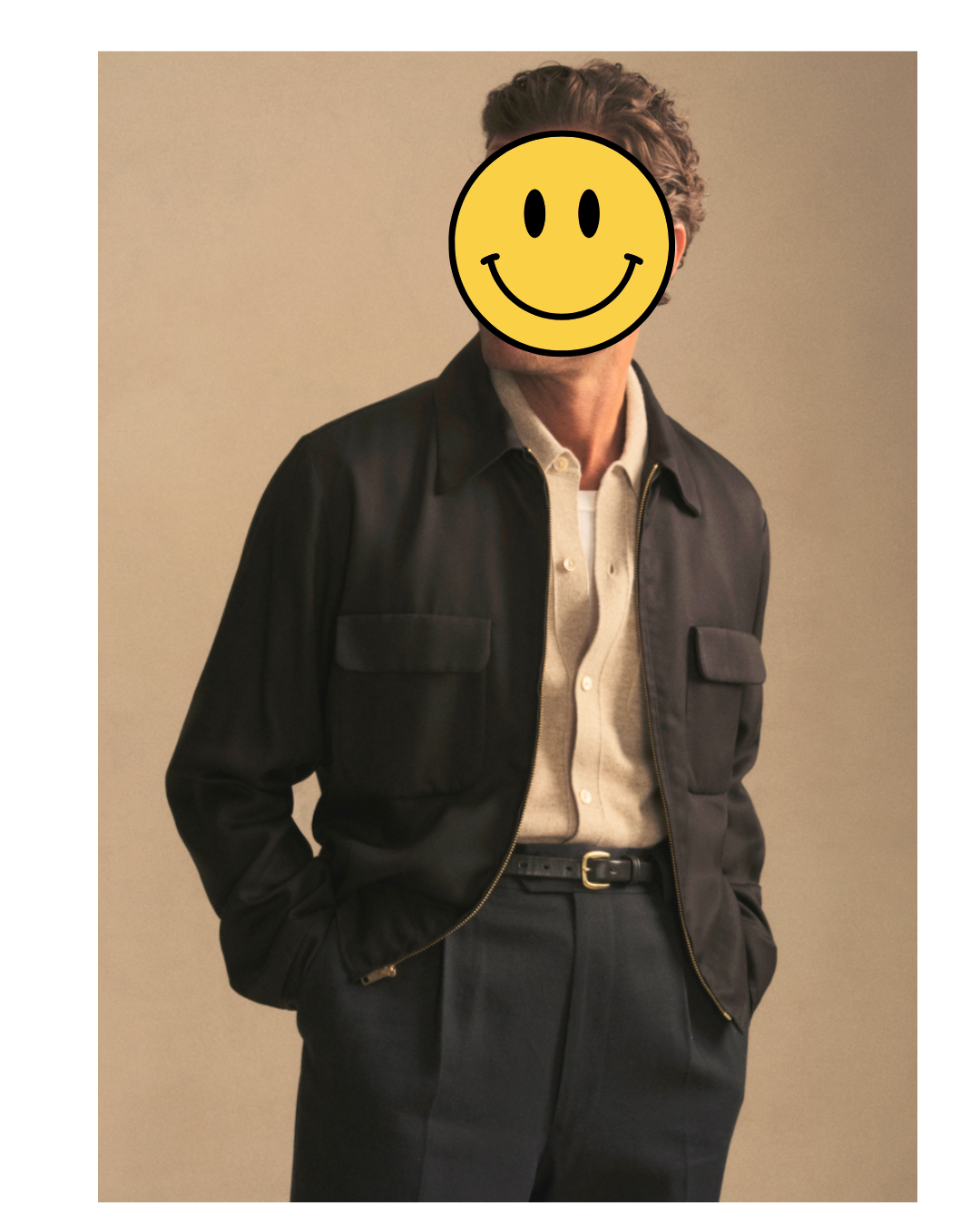
Most guys think attractiveness is about looks. After nearly 30 years of dressing men for television, speaking engagements, media appearances, and everyday life, I've learned something — it's not.
It's about the total package. The way you carry yourself. The way you communicate. Your confidence. Your energy. The way you make others feel.
And yes, the way you present yourself — I am a stylist after all. Did you think that wouldn't be part of this?
Whether you're leading a company, dating, speaking on a stage, or walking into a dinner party, people don't experience you in pieces. They experience you as a whole, and your appearance is part of that package whether you like it or not.
What Women Actually Notice
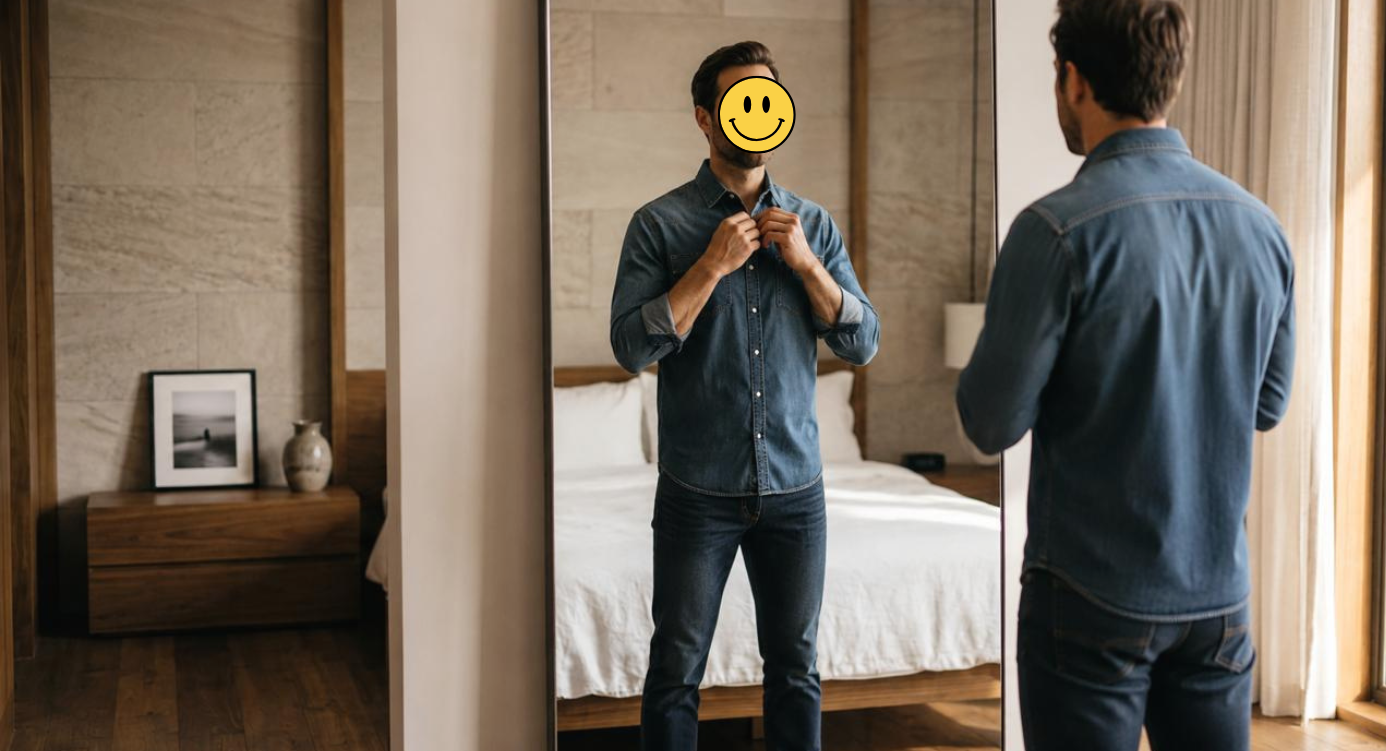
A conversation came up recently about what women actually notice when it comes to the way a guy dresses, and the answers weren't what most guys think.
Nobody said designer labels. Nobody said trends. Nobody said expensive watches.
What came up over and over again was this — women want a man who looks like he pays attention. Not a guy who looks like he spent three hours getting ready. Not a man who looks like he gave up.
The sweet spot is somewhere in the middle. The guy whose clothes fit well. The guy whose shoes are clean. The guy whose haircut isn't long overdue. The guy who smells good. The guy who dresses with self-respect.
Attractiveness is about how people experience you — all of you.
This is worth sitting with, because it takes the pressure off in a strange way. Nobody is asking you to look like you walked off a magazine cover. Nobody is asking you to memorize designer names or keep up with whatever trend is circulating this season. What people are actually responding to is effort — the visible, unmistakable sign that you thought about how you show up, even a little. That's it. That's the bar. And it's a bar almost every man can clear once he knows where it actually sits.
Why This Isn't Shallow — It's Pattern Recognition
People are pattern recognition machines. Within seconds we're making assumptions, sometimes without realizing it, and collecting information. Not because we're shallow, but because our brains are wired to make sense of the world quickly, and the way you look becomes part of that equation.
A lot of men push back when I say this and give me reasons like "I'm not a model." "I'm not stylish." "I don't look like the guys in the magazines."
That's good. None of that matters.
What matters is that you pay attention to what you're doing and how you're showing up. Owning your look isn't about becoming someone else. It's about becoming more of who you already are.
Think about the last time you met someone new. Before they said a word about their job, their values, or their sense of humor, you'd already started forming an impression. That's not a flaw in how humans work — it's a feature. It's efficient. It's how we've always navigated new people and new environments. Fighting that instinct in other people is a losing battle. Working with it, by giving people accurate information to react to, is the smarter move.
When Your Wardrobe Tells an Old Story
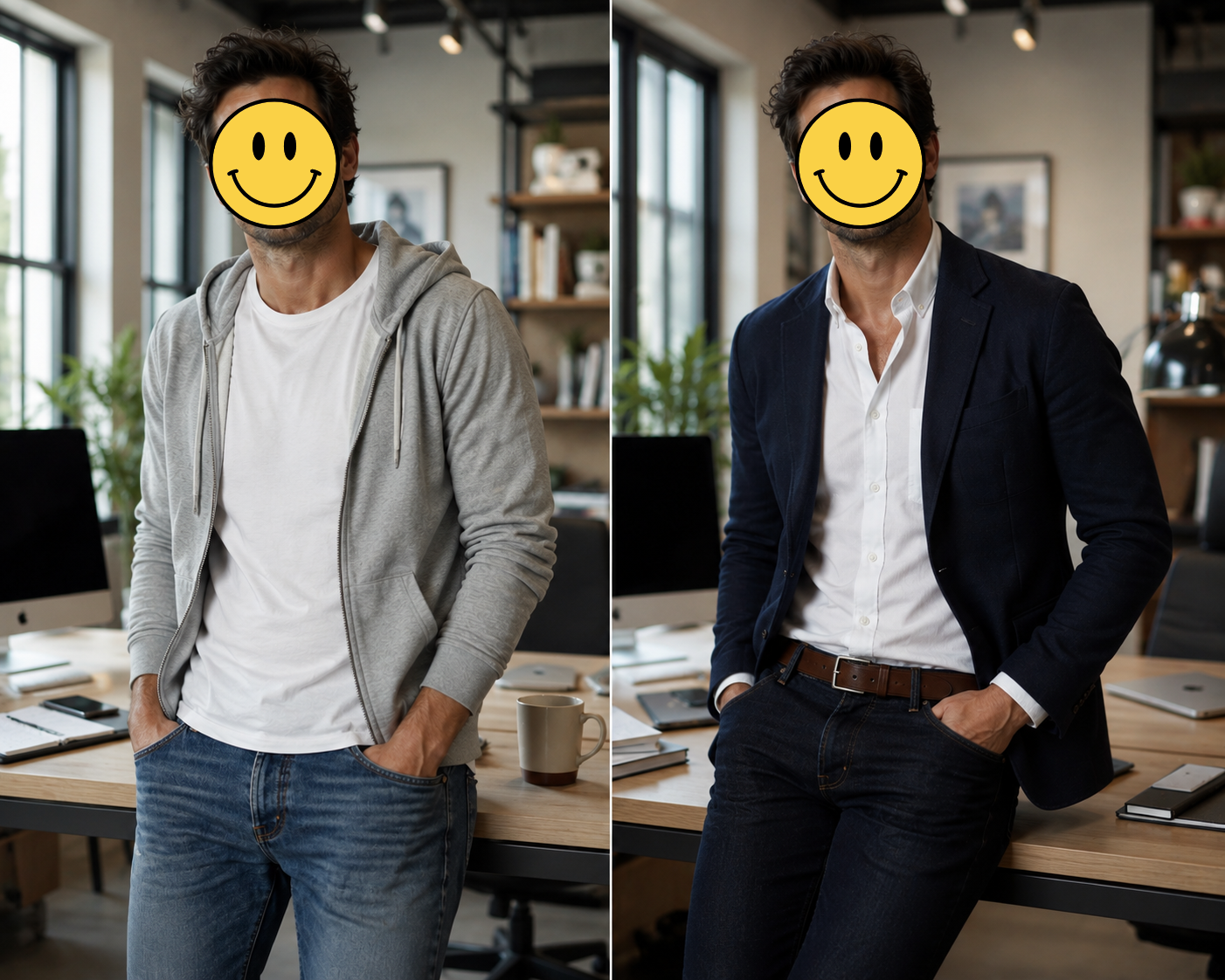
One of the most common situations I see is a successful man whose wardrobe is outdated. He's grown. His business has grown. His responsibilities have grown. His lifestyle has changed. His confidence has grown.
But his wardrobe? It's still telling the story of who he was ten years ago.
It's this disconnect that I refer to as The Image Gap — the space between who you are and how the world sees you.
I see this constantly with men who are otherwise operating at a high level. They've outgrown an old version of themselves in every measurable way — except the one that everybody sees first. Their closet is stuck in a previous chapter, sometimes literally the clothes they bought when they landed their first real job or started their business. Nobody tells them. Colleagues don't bring it up. Friends don't either. It just quietly sits there, working against them, and they have no idea it's happening.
The Image Gap doesn't announce itself. Nobody walks up to a successful, well-respected man and tells him his jacket doesn't fit or his shoes look tired. People just quietly adjust their expectations of him, and he never finds out why.
A Client Who Had Earned It, But Wasn't Wearing It
A couple months ago I worked with a client who was successful by every measure. Strong business. Strong reputation. Respected by his peers. But if you met him for the first time, none of that was obvious. His clothes were telling a different story than the one he had earned.
After a few strategic changes, things changed. People didn't suddenly start treating him differently because they noticed he was wearing clothes that were relevant and suited him. They started responding differently because when he wore those clothes, he started showing up differently.
That's the goal.
Not to become more fashionable. Not to chase trends. Not to impress people. To make sure your appearance is telling the same story your life already is.
What made the difference wasn't a dramatic makeover. It was a handful of deliberate choices — fit, color, proportion, the kind of details most people can't articulate but instantly register. Once those pieces were in place, his own body language changed. He stood up straighter. He walked into rooms differently. That's the part people miss about closing the Image Gap: the clothes don't do the work on their own. They give you permission to carry yourself the way you already deserved to.
How the Image Gap Actually Shows Up
It rarely looks like one big glaring mistake. It shows up in the small, cumulative details:
A suit that fit perfectly five years and fifteen pounds ago. Shoes that have logged more miles than they have life left in them. A haircut that was right for a role you don't have anymore. Colors chosen once, on autopilot, and never revisited. A wardrobe built entirely around what was safe rather than what's current.
None of these things are dramatic on their own. But together, they quietly signal that you haven't updated your image in step with everything else you've updated about your life — your role, your relationships, your standards.
Closing the Gap Without Losing Yourself
The men who resist this conversation the hardest usually think closing the Image Gap means becoming a different person. It doesn't. It means paying attention to a handful of fundamentals that most men never learned:
Fit over everything. A well-fitted shirt off the rack will read better than an expensive one that hangs wrong. Fit is the single fastest way to look more put-together, and it's the thing most men skip.
Maintenance, not just purchases. Clean shoes, a fresh haircut on a schedule, pressed clothes — these cost almost nothing and change how put-together you look instantly.
Buy for who you are now. Not who you were when you bought your current wardrobe, and not who you hope to be someday. The man in front of the mirror today.
Edit before you add. Most closets don't need more clothes. They need fewer, better ones, and the confidence to get rid of what no longer fits the story.
None of this requires becoming a fashion person. It requires becoming a person who pays attention — which, as it turns out, is exactly what the research on first impressions keeps pointing back to.
Signs You Might Have an Image Gap
A few questions I ask new clients, because the answers are usually more revealing than they expect:
When did you last buy anything beyond a basic replacement — not because something wore out, but because you wanted to look better? When did you last get feedback, good or bad, on how you present yourself? Do you dress the same way you did five years ago, regardless of how much your career or lifestyle has changed since then? Do you feel like a slightly different, less polished version of yourself whenever you get dressed?
If more than one of those questions gave you pause, that's not a coincidence. That's the Image Gap making itself known.
The Most Attractive Thing You Can Wear
Because the most attractive thing a man can wear isn't a particular jacket, watch, or pair of shoes. It's self-respect. The kind that's visible and shows up the second someone meets you. It's when who you are and what people see finally match.
That alignment is what actually reads as confidence to other people, and it's what women consistently describe when they talk about what draws them to a man. It isn't a designer label. It's coherence — a man whose exterior finally matches the substance underneath.
Change starts here.
About the Author
Dina Cerchione has been creating images and personas for men for 30 years and is the founder of The Men's E.D.I.T. She helps ambitious men use the power of presence to reach their goals — through intentional wardrobes built around their real lives, not the latest trends.